PADI Discover Scuba Diving
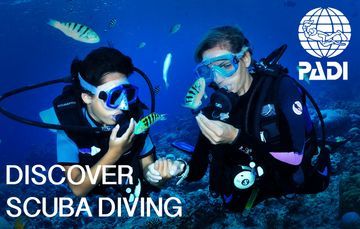
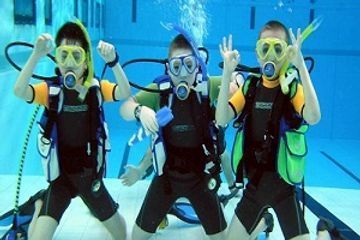
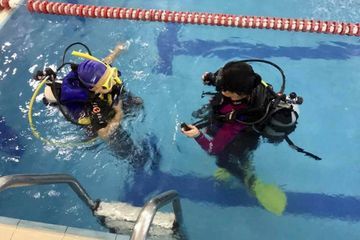
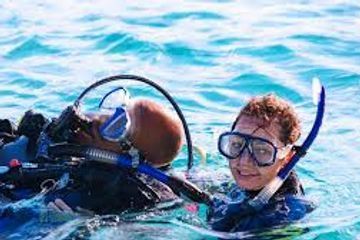
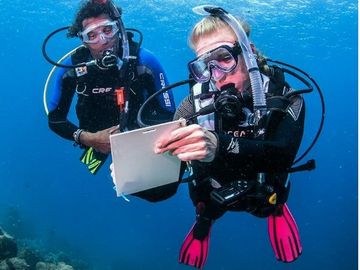
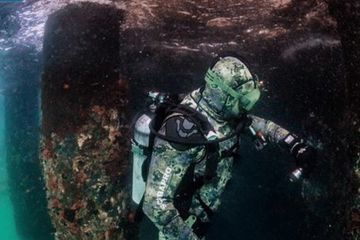
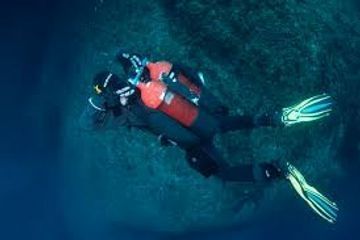
No experience needed. Pool training plus a shallow dive with an instructor by your side.
PADI 5-star Center - Courses
The full PADI programme on the Caspian - from your first underwater breath to Tec Trimix. Pick a level below, scroll through the path, or jump straight to what you need.
Start here - Beginner
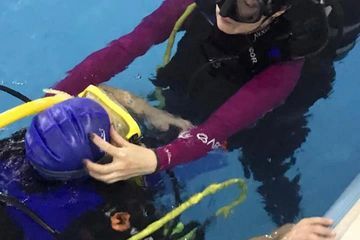
Programmes for divers with no certification yet. Pool or shallow open-water session, full gear, an instructor by your side the whole time.
No experience needed. Pool training plus a shallow dive with an instructor by your side.
For certified divers new to the Caspian. A guided check-out dive on local sites with full briefing.
For experienced snorkelers who want to extend their range and breath-hold safely.
Ages 6 to 11 - Kids
PADI youth programmes - short pool sessions, certified kids instructors, no pressure. The fastest way to find out if your child likes diving.
First underwater experience for kids. Pool only, max 2 m, supervised every minute.
Five aquamissions in the pool. Builds basic skills while it stays a game.
The full ten-aquamission programme. The natural step before Junior Open Water.
Recreational - Certifications
Internationally recognised PADI cards. Open Water lets you dive anywhere in the world to 18 m, Advanced to 30 m, Master Scuba Diver is the recreational pinnacle.
Same Open Water certification, adapted for ages 10 to 14. Depth limits apply by age.
Get your PADI Open Water Diver card. Theory, pool, 5 open-water dives and all gear included.
Five adventure dives, including deep and navigation, adapted for younger divers.
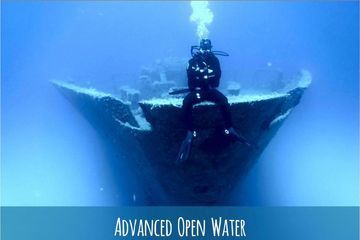
Five adventure dives, including deep and navigation. Required to dive below 18 m.
PADI top recreational rating. Stacks on top of Rescue plus five specialties.
Parallel track - Freediving
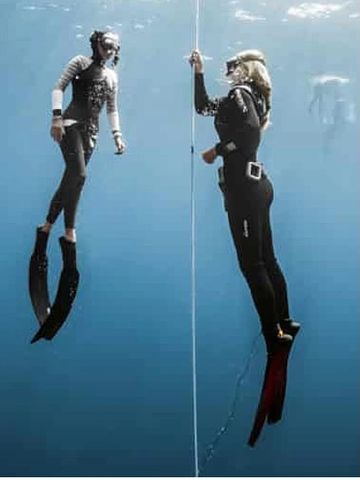
Apnea programmes for divers who want to leave the tank behind. Static, dynamic and depth disciplines - same instructors, separate certification.
Apnea fundamentals. Static, dynamic and constant-weight depth dives in safe coaching conditions.
Performance-level apnea. Variable-weight discipline and dive-planning theory.
Pre-professional - Advanced recreational
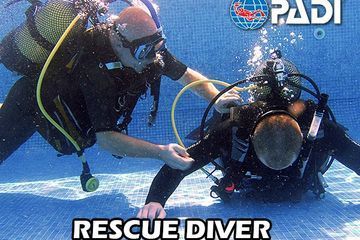
Rescue Diver is where good divers become safe divers. Combined with EFR, it is the bridge between recreational and professional levels.
The course that makes you a complete diver. Stress management, accident response, in-water rescue.
Adult and child CPR, AED, first aid. Non-diving emergency response.
EFR adapted for the dive environment. Required for Rescue Diver and PADI Pro track.
Professional - PADI Pro
PADI Pro track - guide dives, assist on courses, eventually run your own. Annual PADI membership fees apply on top of the course price.
Your first PADI professional rating. Lead dives, assist on courses, the entry to the dive industry.
Co-teach courses with an instructor. Step toward full Open Water Scuba Instructor.
EFR Instructor rating. Train and certify other divers in emergency response.
Specialty courses
Specialty programmes plug into Open Water and Advanced certifications. Pick the ones that fit your local sites and the diving you actually do.
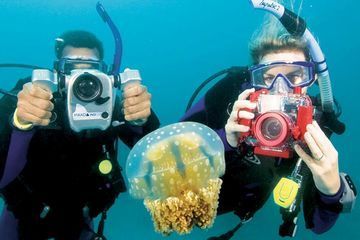
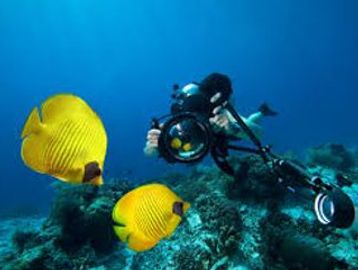
Composition, exposure and buoyancy for shooting underwater. Camera-agnostic.
Digital workflow - settings, post-processing, building a portfolio.
Camera handling, lighting, edit basics for underwater video.
Hover motionless, glide silently, breathe less air. The most useful course after Open Water.
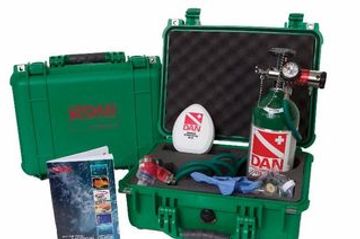
Recognise dive emergencies and deliver emergency oxygen safely.
Field-fix your gear and understand the maintenance behind it.
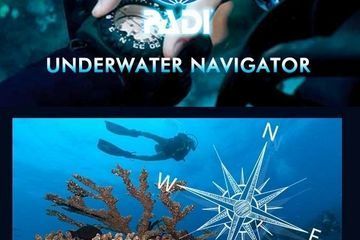
Compass and natural navigation. Find your boat without surfacing.
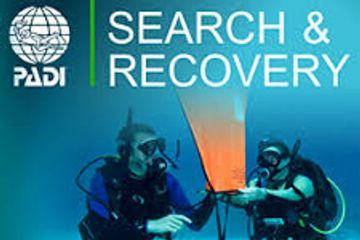
Lift bags, search patterns, lost-item recovery technique.
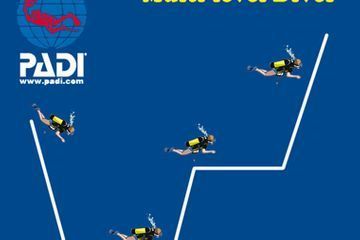
Plan dives that change depth - stay underwater longer and stay within no-deco limits.
Adapt techniques to dive alongside divers with mobility or sensory limits.
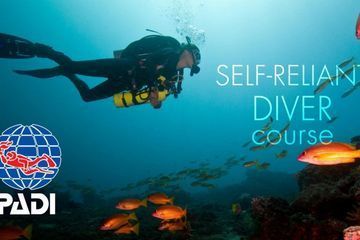
Self-sufficient diving - redundant gas, planning discipline, no buddy.
Diving above 300 m. Adjusted no-deco limits and surface intervals.
Lights, line discipline, awareness - the same site changes completely after sunset.
Enriched-air diving with up to 40 percent oxygen. Longer no-deco bottom times.
Dive between 18 m and 40 m. Gas management, narcosis awareness, ascent control.
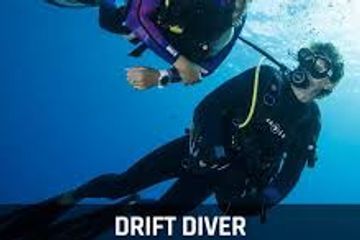
Use current as transport. Signalling, group control and surface support.
Boat-diving protocols - entries, exits, manners on a busy deck.
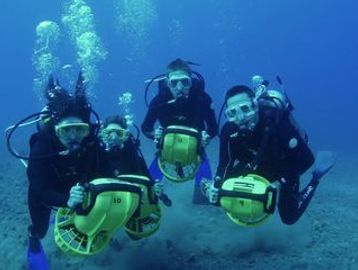
Underwater scooter handling. Range planning and gas reserves.
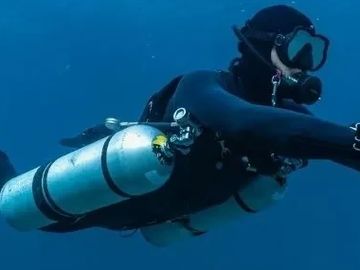
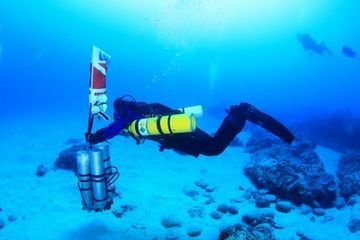
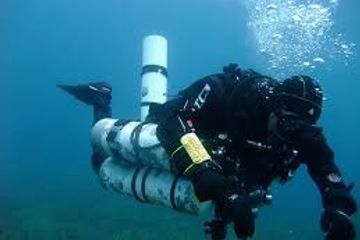
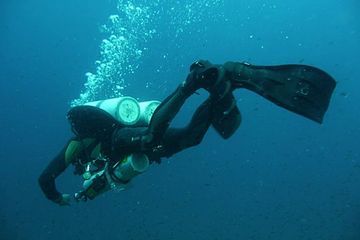
Mount your tanks at your sides. Lower profile, redundant gas, easier on the back.
Stay dry and warm in cold water. Buoyancy practice and undergarments.
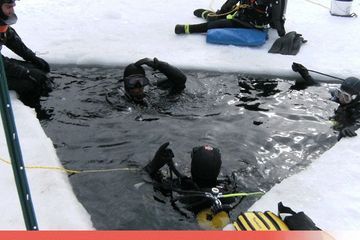
Diving under an ice ceiling with a tether and surface team. Cold-water management.
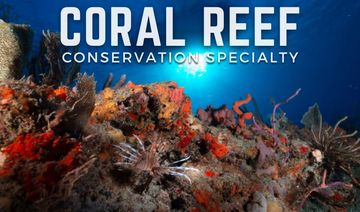
Reef ecology and the diver role in protecting it.
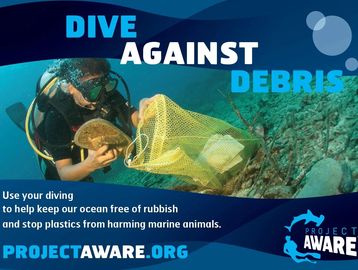
Recognise marine debris and run a proper underwater clean-up.
Shark behaviour, conservation status, what divers actually see.
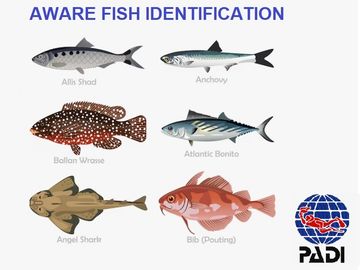
Learn to identify common reef and Caspian fish species.
Read the underwater environment - relationships, habitats, what to look for.
Technical diving - Deep
Decompression, mixed-gas and trimix programmes. Long classroom hours, strict standards, the diving most people never see.
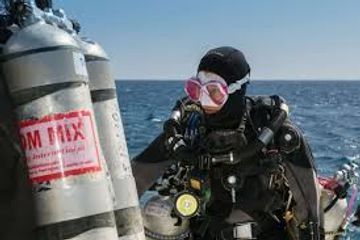
Try-out for tec diving. Sample the gear and the planning workload before you commit.
Entry to decompression diving. Up to 40 m with limited deco using one deco gas.
Full Tec Trimix Diver. Beyond 65 m with full helium-based gas planning.
Ready to start?
Send a quick message and we will reply with available dates, gear sizing and a price for your level.